
Finding a supplier in China has never been easier — and it has never been riskier.
In a few clicks, any company can find hundreds of factories, receive quotes the same day and close an order through an app. The barrier to entry has dropped. The problem is that the barrier to error has dropped with it: it has become just as easy to choose badly.
Sourcing isn't searching for a supplier on a platform. It's deciding who to trust with your money, your timeline and your reputation — often on the other side of the world, in another language and another business culture. And that decision should rarely be made on the basis of the lowest price on the list.
Why deciding by price alone is the biggest risk
Price is the easiest piece of information to obtain and the easiest to manipulate. A supplier can offer the lowest figure on the table and, in doing so, hide what actually matters: inferior raw materials, insufficient production capacity, unrealistic deadlines or the absence of the documentation a product needs to enter and be sold in Brazil.
When the criterion is price alone, what tends to arrive afterward is: delays, quality below what was agreed, rework, and a product that may not even be allowed on the market. The quote's discount becomes the most expensive cost of the operation.
Responsibility lies with the importer
Buying from a supplier abroad does not transfer responsibility for the product in Brazil to them. The importer is answerable for compliance, specifications and documentation on this side of the border. That is why qualifying the supplier before the purchase isn't a luxury — it's risk management for your own operation.
Qualifying a supplier for real
Qualification means looking beyond the sales page. In practice, it involves verifying:
- Whether they are a manufacturer or just a middleman (a trading company posing as a factory)
- Real production capacity against the volume you need
- Track record, years in the market and references from other clients
- Experience with exports and with the required documentation
- Quality framework and process control
- Ability to resupply and sustain the relationship over time
None of these points show up on a quote. They all appear — or fail to appear — when someone actually goes looking.
Negotiation and cultural fluency
Negotiating with China is different from negotiating in Brazil. Relationship, pace, the art of saying "no" without saying "no", building trust over time — all of it carries weight. A polite "yes" isn't always a firm commitment, and a request to adjust the price can mean very different things depending on how it's made.
Those who understand the game negotiate better terms, avoid costly misunderstandings and build a relationship that survives the first order. Those who don't often think they've closed a great deal — and only find out otherwise when the shipment arrives.
Quality isn't trusted, it's verified
The gap between the product that was promised and the product that was shipped is where a large share of import losses live. That's why serious quality doesn't rely on trust — it relies on verification at defined points:
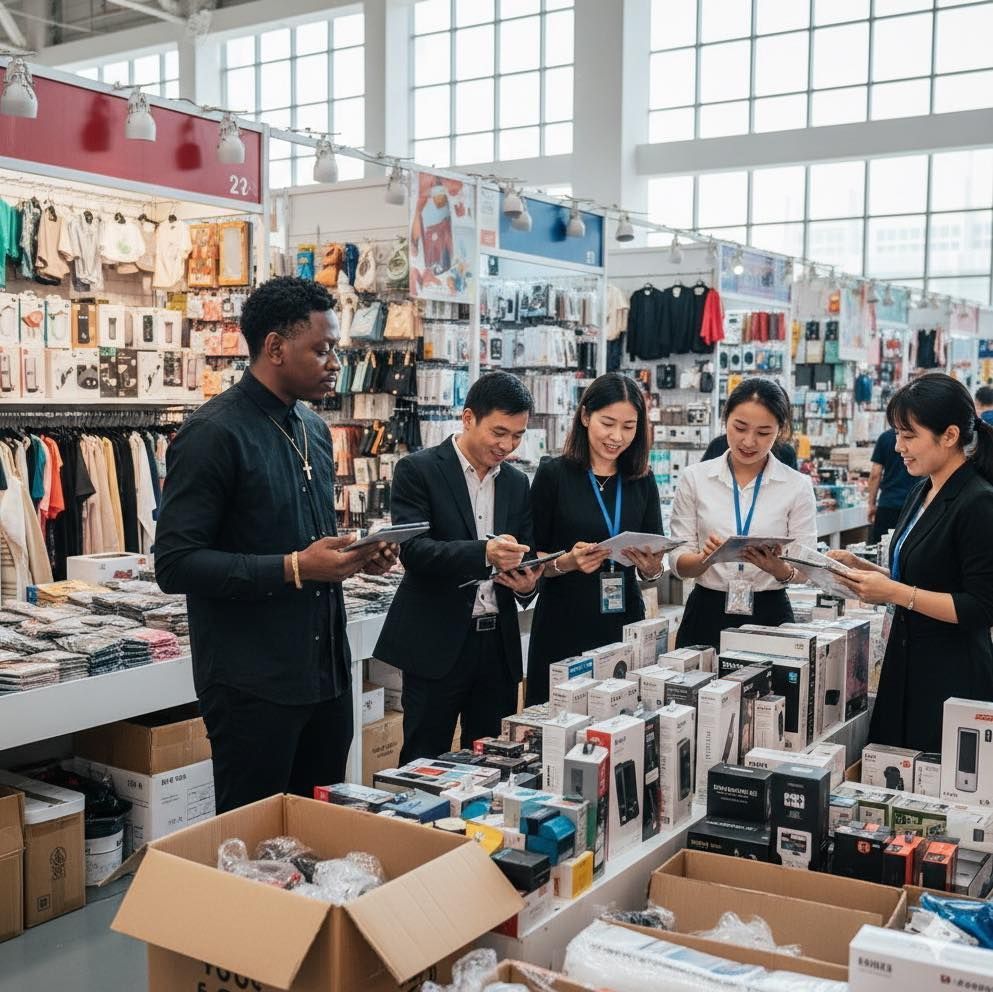
Factory audit
Confirms that the factory exists, produces what it claims to produce and has the structure for your volume. It avoids the classic scenario of the "supplier" who is actually subcontracting everything.
Quality and pre-shipment inspection
Checks the product before it leaves China — while there's still time to correct, reject or renegotiate. Inspecting after the shipment has landed in Brazil is too late and too expensive.
Samples and documented specifications
Anything that isn't written down and signed off on a sample becomes a matter of interpretation. Clear specifications are what allow you to hold the supplier accountable later.
The work that begins after the order
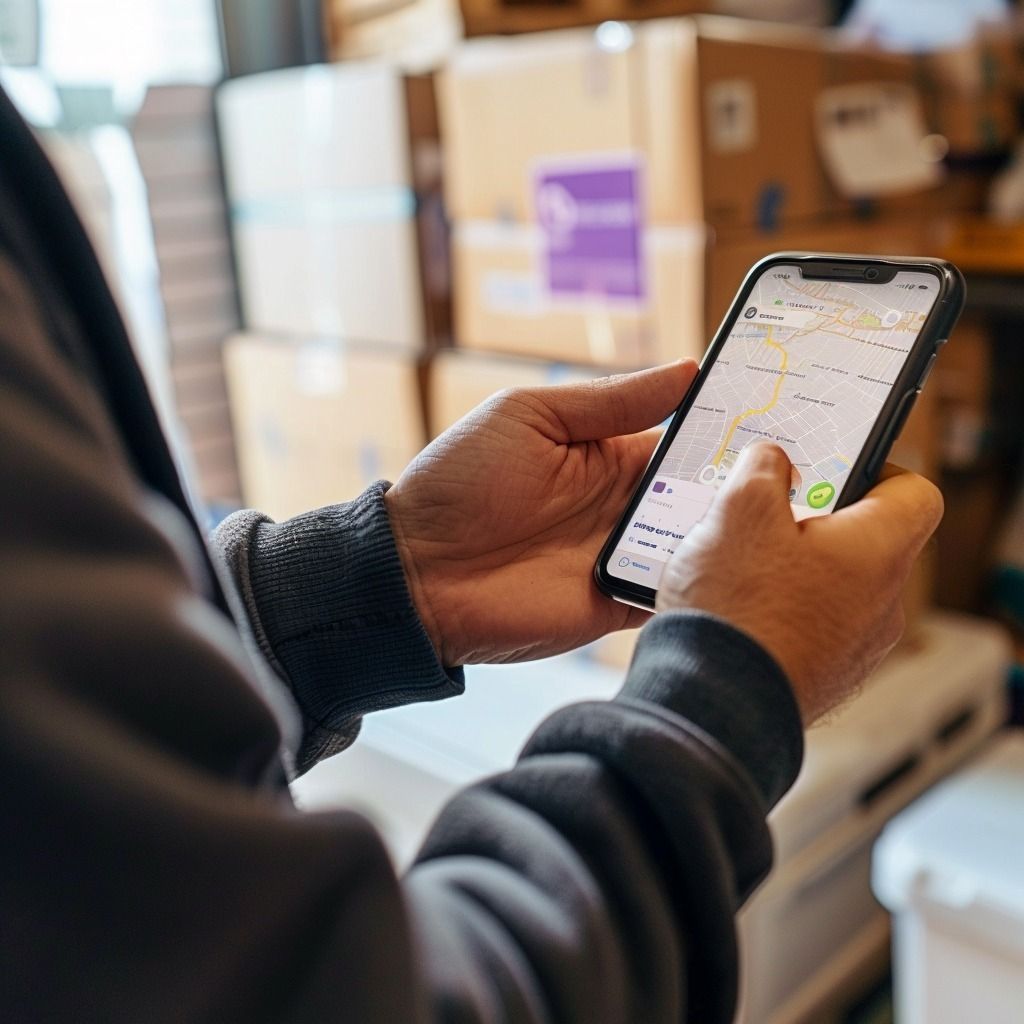
Closing the order isn't the end of sourcing — it's the middle. Following up on production, deadlines, shipment and any deviations is what separates a purchase that works out from an expensive surprise. A good supplier without follow-up still runs late; an average supplier with follow-up delivers.
In China, price is the first thing they show you. Reliability is the last thing you find out — unless you go after it.
— ComexAqui
The bottom line
Sourcing done well isn't about finding the cheapest supplier. It's about finding the right supplier and making sure they deliver what was agreed. That involves qualification, cultural fluency, quality standards and follow-up — before, during and after the purchase.
Price can be compared in minutes. Reliability is built with method. And it's reliability that determines whether importing becomes a repeatable win or a recurring problem.
Buying from China without supplier confidence?
Discover how ComexAqui supports sourcing, negotiation and supplier follow-up in China — with presence at origin and quality standards in place before shipment.
Talk about sourcingReferences
- Inmetro. Product compliance and importer responsibility. Available at: gov.br/inmetro
- Brazilian Federal Revenue Service. Importer obligations and the import process. Available at: gov.br/receitafederal
- Siscomex Single Portal. Administrative treatment and import documentation. Available at: gov.br/siscomex
This content is informational and educational in nature and does not replace specialized advice in foreign trade, quality or legal matters. Qualification, audit and inspection practices should be defined according to the product, the market and the risk level of each operation.